
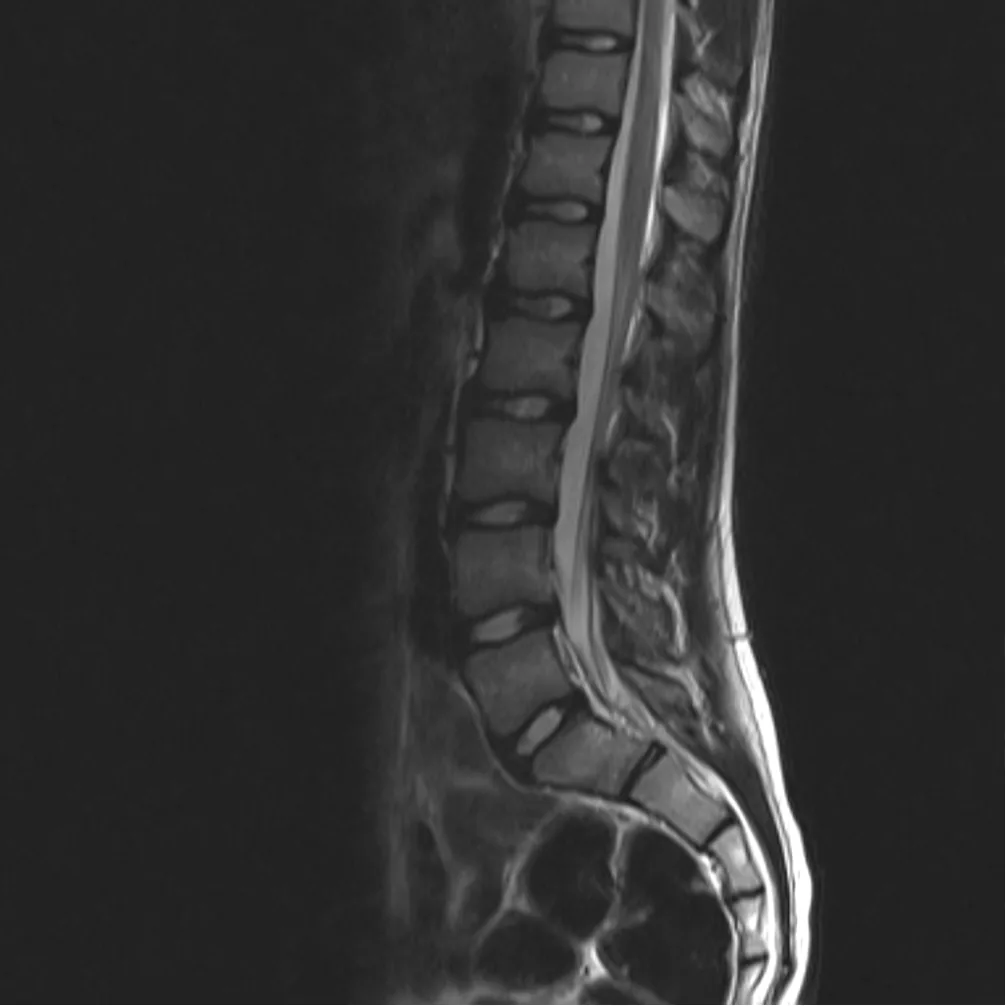
If rest or physical therapy hasn’t fixed your low back pain, your doctor may order a lumbar spine MRI. An X-ray shows bones; a lumbar MRI can also show soft tissue, the spinal cord, and the nerves, where problems that cause the pain would appear.
Why Would a Doctor Order a Lumbar MRI?
Doctors order a lumbar MRI to diagnose problems in the lower back. They may recommend one if you have:
- Lower back pain extending into the legs (sciatica).
- Numbness or tingling in your feet.
- Sudden onset of lower back pain coupled with fever.
- Urinary or fecal incontinence.
- Severe lower back pain following trauma to your spine.
What Does a Lumbar Spine MRI Show?
The scan images the five lumbar vertebrae (L1-L5), the coccyx, and the surrounding structures. A radiologist examines them for:
- Slipped (herniated or bulging) discs: discs that have moved out of place and press on nerves
- Spinal stenosis: a narrowing of the spinal canal
- Nerve compression: pressure on nerves that causes radiating pain
- Inflammation or infection: conditions involving the spinal cord or vertebrae
- Tumors: abnormal growths on or around the spinal column
Preparing and What to Expect
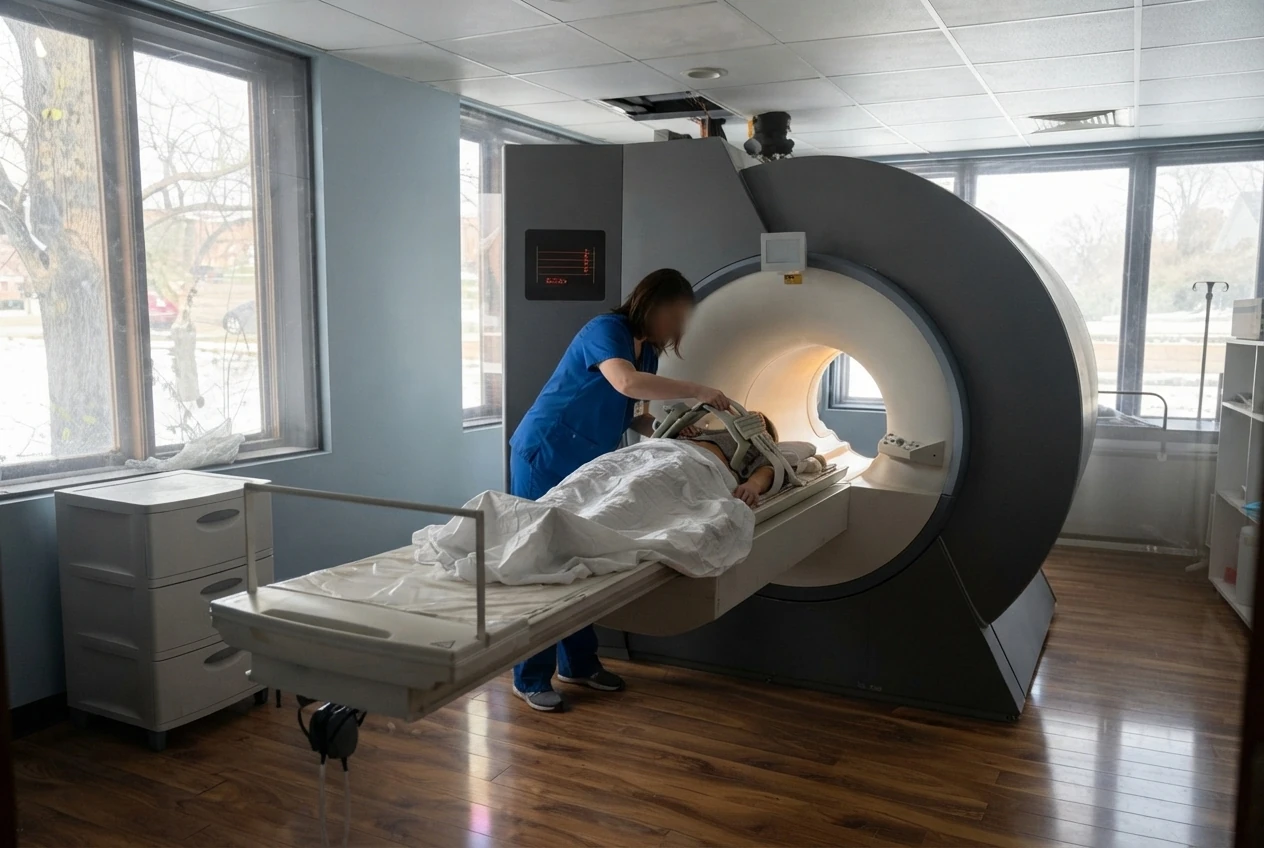
The basics are the same as for any MRI: bring your doctor’s order, wear clothes without metal, and lie still through the scan. The full walkthrough, including how to prepare and what happens during the scan, is in our guide to what to expect during an MRI. What sets a lumbar study apart:
- You go in feet first, and your head stays outside the scanner for most of the scan. That makes it one of the easier studies for people who feel claustrophobic.
- The scan itself takes about 25 minutes, and the whole visit runs about an hour, including check-in and positioning.
Understanding Your Results
A board-certified radiologist reads your scan, and the report goes to the provider who ordered it within 24–48 hours. Ask us and we’ll email you a password-protected copy. Your provider walks you through the results and your treatment options.
Get Your Lumbar MRI in St. Louis
A lumbar MRI at Sunset Hills Imaging is a flat $399 — no insurance billing, no hidden fees. Request directly, skip the hospital wait, and get your report in 24–48 hours.
Ready to book? Schedule your lumbar spine MRI.
Call (314) 834-7226 to book your $399 appointment, or schedule online.